Gluten-Free Homemade Bread: The Dreamer's Approach
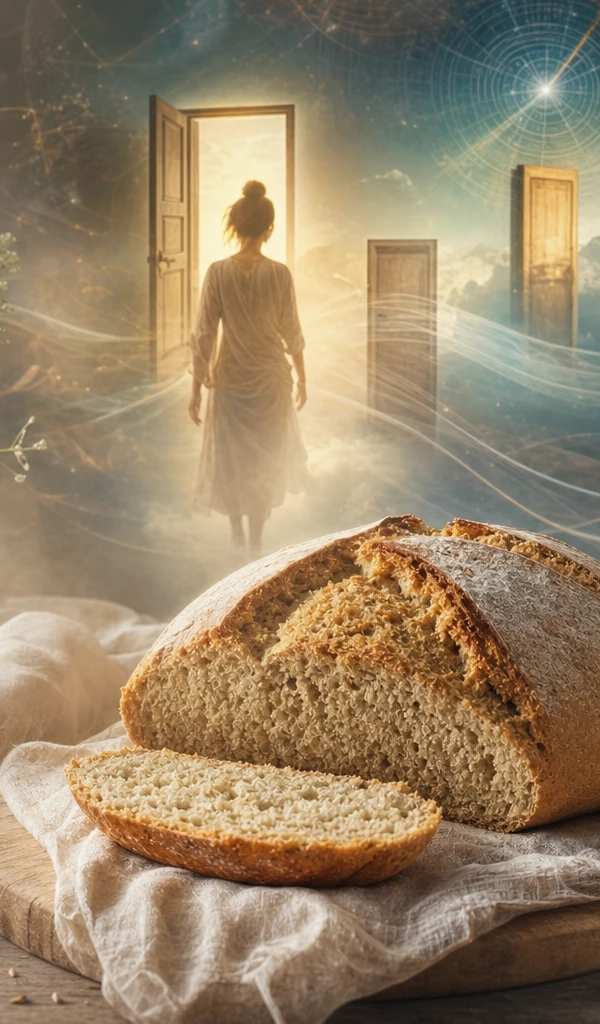
Forget the stress of perfect dough. Learn how to bake gluten-free bread using alternative flours and Transurfing principles. Zero excess potential, just warm crusts.
The scent of fresh bread is a time machine. But if you’re gluten-free, it’s usually a one-way ticket to disappointment. Crumbly bricks and chalky aftertastes—let's fix that.
You want that crust. That perfect, hollow tap on the bottom of a fresh loaf. But the commercial gluten-free aisle is a trap. A pendulum swinging on your frustration, charging you eight dollars for frozen cardboard.
The food industry feeds on your dietary restrictions. It creates a reality where you are a victim of your own digestion, forever condemned to eat dense, sad alternatives.
Stop feeding it. You don't have to fight the pendulum. Just step aside. Let it swing past you.
Today, we bake. Not with anxiety. Not with the frantic energy of needing it to rise perfectly. We bake with Outer Intention.
Outer Intention in the Kitchen
Most bakers operate on pure Inner Intention. They try to force the outcome. They create massive excess potential by hovering over the bowl. (Will it rise? Did I kill the yeast? Is the water exactly 110 degrees?)
That right there? That frantic, vibrating energy is how you guarantee a collapsed, heavy loaf. The balancing forces will come in and flatten your bread just to teach you a lesson in detachment. Often, desperation is a repellent in the kitchen just as it is in your social life.
Reality mirrors your state. When you drop importance, the dough responds.
Baking is not about forcing ingredients to comply. It is allowing the bread to bake itself.
Transurfing teaches us that inner intention is the struggle. Sweating over kneading and chemistry. Outer intention is simply going to the mailbox to get the mail. Or in this case, going to the oven to pull out the perfect loaf. You just choose the reality where it works.
Your Alternative Flour Arsenal
Wheat has gluten. Gluten is glue. It traps air, creates elasticity, and makes baking almost foolproof if you beat it enough. To bake without it, you need to shift your slide.
We aren't trying to build a fake wheat loaf. That is a losing game. We are creating something entirely different. Something ancient, hearty, and inherently yours.
Here is what you need in your kitchen to anchor this new reality:
- Buckwheat flour: The earthy backbone. It sounds heavy, but it grounds the loaf's flavor.
- Tapioca starch: The stretch. This mimics the chewiness of traditional bread without the inflammation.
- Almond flour: The moisture keeper. It adds a subtle fat content that keeps the crumb surprisingly tender.
- Psyllium husk: The magic binder. Think of it as the frailing of your recipe—it harmonizes all the disparate flours into one cohesive dough.
Mix them with your hands. Feel the textures. The gritty almond, the squeaky tapioca. Much like how plants keep your energy clean, these natural ingredients vibrate at a frequency of nourishment rather than industrial efficiency.
Dropping the Kneading Pendulum
There is no kneading here. Zero. Kneading is an action born of gluten, a physical wrestling match with proteins. Since we have none, we simply combine.
Follow these steps, but keep your grip loose. Do not hyper-fixate on exact measurements or perfect timing.
- Hydrate the binder: Whisk two tablespoons of psyllium husk into two cups of warm water. Let it sit until it turns into a thick gel. This is your structural foundation.
- Blend the dry: Whisk one cup buckwheat, one cup tapioca, and half a cup of almond flour. Toss in a heavy pinch of salt and instant yeast.
- Unite the streams: Pour the gel into the dry bowl. Use a heavy wooden spoon. Stir until it forms a shaggy, wet, impossibly sticky mass. It will look incredibly weird. It won't look like bread dough at all. (Trust the process, the matrix of the husk is doing invisible work.)
- Walk away: Scrape the dough into a cohesive mound. Cover the bowl with a damp kitchen towel. Forget about it. Let it rise in a warm corner for two hours. Go read a book. Take a walk. Lowering your importance is the active ingredient here.
The Slide of the First Slice
Your oven needs to be hot. Brutally hot. Pre-heat it to 425°F with a cast-iron Dutch oven inside.
Drop the proofed dough onto parchment paper, lower it into the smoking-hot pot, and cover it. Bake for 40 minutes, then uncover for another 20.
The smell will hit you first. Nutty. Deeply caramelized. Real.
The mirror of reality operates with a delay. The scent of crust is the first crack in the glass.
Pull it out. But do not cut it.
This is the hardest part. The bread is still cooking internally. Slicing it now lets the steam escape and turns the beautiful crumb to gummy mush. You must practice the ultimate Transurfing move: patience without longing. This discipline is much like what Transurfing actually promises regarding the wait for your slide to manifest.
Visualize the butter melting into the porous crumb. The audible crunch of the crust under a serrated knife. Hold that vivid slide in your mind while the loaf cools on the wire rack.
Notice how the crust crackles slightly as it contracts in the cool air. It sounds like a quiet fire. You are not hoping for good bread. You are simply waiting to eat it.
A thick smear of salted butter. A hot cup of black tea. The crumb springs back against your thumb. The crust shatters perfectly.